
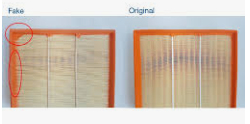
The automotive parts market is flooded with counterfeits, and oil filters are among the most copied products in the world. These imitations circulate on online marketplaces, in certain unscrupulous repair shops, and even sometimes in stores that have themselves been deceived by their suppliers. The problem is serious: a counterfeit filter can look identical to the genuine article for a few thousand kilometres, then suddenly fail, causing catastrophic engine damage. Knowing how to spot a fake is therefore an essential skill for any vehicle owner who wants to protect their investment for the long term.
Price: The First Warning Sign
The first warning sign is usually the price. If an offer seems too good to be true, it generally is. Filters from recognized brands have a minimum production cost tied to materials, machining precision, and quality testing. A filter sold at half the usual price has inevitably cut corners somewhere, and those corners are always the most important components: the filter media, weld quality, gasket integrity, and the strength of the metal housing. Price vigilance remains the first line of defence against unpleasant surprises, especially when ordering online without the ability to physically inspect the product.
Packaging: Your Detection Tool
Packaging is the second clue to examine closely. Genuine manufacturers invest heavily in packaging that is difficult to reproduce, featuring high-definition printing, security holograms, verifiable barcodes, and specific typefaces. Counterfeits often show slightly faded colours, off-centre logos, subtle spelling errors, or inconsistent batch numbers. Take the time to compare your filter with official photos on the manufacturer’s website. Some brands even offer online verification services where you can enter a unique code to confirm authenticity before installing the product.
Filter Weight Reveals Everything
The weight of the filter is also a revealing indicator that is too often overlooked. A genuine filter contains a precise quantity of materials: a dense filter media, a calibrated return spring, a thick base plate, and a metal housing strong enough to withstand oil pressure. Counterfeits cut corners on each of these elements, making the filter noticeably lighter. If you can compare two filters on a scale, you’ll often find a difference of several dozen grams. Some enthusiasts keep an old filter as a reference to quickly compare future purchases and immediately spot any anomaly.
Visual Inspection of the Outside
Visual inspection of the outer surface can also reveal a fake. Genuine filters are manufactured with meticulous care: the crimping is regular, the paint applied evenly, and no metal burrs protrude. Imitations often show defects visible with even a cursory inspection: cracked paint, misaligned gaskets, imprecise centre threading, or poorly cut ports. These imperfections may seem minor, but they reveal a sloppy production chain where tolerances are not respected. In precision mechanics, every micron matters, and a poorly fitted part can lead to leaks or mechanical malfunctions.
The Filter Media: Heart of the Problem
The filter media itself is of course at the heart of the problem, and it’s also what is most difficult to evaluate without opening the filter. Laboratory tests have shown that many counterfeits use ordinary paper — sometimes even cardboard — instead of the technical synthetic fibres used in genuine filters. This improvised media quickly disintegrates when in contact with hot oil, releasing fragments directly into the lubrication circuit. The cruel paradox is that a fake filter can actively contaminate the oil rather than clean it. Mechanics who later open these filters sometimes discover alarming quantities of internal debris.
Where to Buy Safely
To avoid any risk, always favour official distribution channels. Before any purchase, use superfilter.top to precisely identify the right filter reference for your vehicle. You can then buy that filter from an authorized dealer or a trusted specialized distributor, knowing exactly what you’re looking for. Online marketplaces should be treated with caution: even when the seller appears serious, nothing guarantees that their supply chain hasn’t been contaminated upstream by questionable products. When in doubt, don’t hesitate to ask for a detailed invoice with the product’s precise references and the distributor’s identification, which will allow you to trace the supply chain if a problem arises.
Keep Your Purchase Proof
Another effective method is to always keep the receipt and packaging of your filter until the next oil change. If a suspicious engine problem arises, these documents will allow you to assert your rights with the seller or manufacturer. If you later discover you’ve been the victim of a counterfeit, report it to the relevant authorities to help dismantle these networks that cause thousands of avoidable breakdowns every year around the world. Consumer associations and fraud enforcement agencies have dedicated channels for handling these reports effectively.
High-Performance Engines: Amplified Risk
A final practical tip concerns high-end vehicles or those fitted with performance engines. On these powertrains, mechanical tolerances are even tighter and the slightest contamination can have immediate consequences. Owners of such vehicles should deal exclusively with specialized distributors, even if it means paying a few dollars more compared to budget options. The margin between a genuine filter and a counterfeit is a small price to pay compared to the cost of a mechanical overhaul on a sophisticated engine.
Ultimately, the best protection remains ongoing education. The more drivers learn to identify warning signs, the more counterfeit networks see their customer base shrink. Sharing this information with friends and family, seeking advice from professional mechanics, and staying alert to market developments are all steps that contribute to your own protection and that of the broader automotive community. An informed consumer is a harder consumer to deceive, and that is the best weapon against the fraudulent practices that plague certain segments of the spare parts market.
Looking for the right filter for your vehicle?
SuperFilter.top lists over 10,000 cross-references — all major brands, completely free.