
Since their widespread adoption on diesel vehicles, and their gradual appearance on certain gasoline engines, particulate filters have become an unavoidable feature of the modern vehicle fleet. Yet this component remains poorly understood by a large proportion of drivers, who typically discover it when a warning light illuminates on their dashboard, accompanied by a repair estimate of several thousand dollars. Taking the time to understand how a particulate filter works — and especially how to extend its life — can save you from costly setbacks and preserve your performance over the long haul.
How Does a Particulate Filter Work?
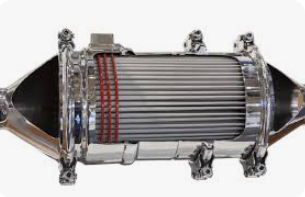
The particulate filter, often referred to by its acronym DPF for diesel engines or GPF for gasoline engines, is designed to trap fine particles produced by combustion. These particles, which are extremely harmful to health, consist mainly of carbonaceous soot from incomplete combustion. The filter captures them in a honeycomb structure, typically made from silicon carbide or cordierite, which forces exhaust gases to pass through porous walls while retaining solid particles. This technology, complex but effective, retains up to ninety-nine percent of emitted particles.
Regeneration: The Filter Self-Cleans
The technical challenge of this system lies in the fact that a particulate filter inevitably fills up over time. Unlike an oil filter that is replaced at each oil change, the particulate filter is designed to clean itself automatically through a process called regeneration. During this phase, the exhaust gas temperature rises high enough to burn off the accumulated particles and convert them into much less voluminous ash. The filter thus recovers much of its original capacity, but not all of it, as residual ash gradually accumulates in its structure.
Passive vs Active Regeneration
There are two main types of regeneration: passive and active. Passive regeneration occurs naturally when the engine runs at high speed for long enough — typically on a highway. Exhaust gases then spontaneously reach the temperature needed to ignite the soot. Active regeneration, on the other hand, is triggered by the engine control unit when the filter reaches a certain saturation threshold. The system then injects a small amount of additional fuel to raise the exhaust temperature and burn off the deposits. This process typically lasts between ten and twenty minutes and occurs during normal driving.
The Short Urban Trip Problem
The main problem faced by urban drivers is that their daily commutes — often short and conducted at low speed — don’t allow the system to complete its regeneration cycles. Every time a regeneration is interrupted by engine shutdown before the process finishes, some soot remains trapped in the filter. Over time, this accumulation saturates the filter to the point where automatic regeneration can no longer clean it, requiring a forced regeneration at a shop, or worse, complete replacement of the component — a replacement that can exceed $2,000 depending on the vehicle.
Driving Habits to Extend Filter Life
Several driving habits can significantly extend the life of a particulate filter. Making regular trips of at least thirty minutes at sustained speed allows the system to naturally reach ideal regeneration conditions. Avoiding switching off the engine immediately after a short trip — especially if you notice the vehicle running warmer than usual — gives an ongoing regeneration the time to complete. Finally, strictly adhering to oil change intervals prevents filter contamination from unburned oil residue, which accelerates clogging and reduces the filter’s useful life.
The Role of Engine Oil and Fuel Quality
The quality of the engine oil also plays a decisive role in filter longevity. Engines equipped with particulate filters require specific oils, often classified as low SAPS, which produce fewer ashes during residual combustion. Using a standard oil in an engine fitted with a particulate filter accelerates clogging and drastically reduces filter life. Similarly, the choice of fuel matters: poor-quality diesel containing more sulphur or impurities produces more soot and triggers the regeneration system more frequently, increasing consumption and overall wear.
What to Do When the Warning Light Comes On?
When a particulate filter warning light comes on, never ignore it. In most cases, a 45-minute highway drive at sustained speed is enough to trigger a full regeneration and extinguish the warning light. If the light persists, consult a professional promptly: a saturated filter can damage other components in the exhaust system, particularly the turbocharger and pressure sensors. These collateral damages sometimes turn a repair costing a few hundred dollars into a much heavier intervention involving several major powertrain components.
Professional Cleaning: A Cost-Effective Option
Professional cleaning solutions also exist that can give a heavily fouled filter a second life. These services, performed by specialized shops, involve removing the filter and treating it with specific products that dissolve the most stubborn deposits. The cost of professional cleaning is typically between twenty and thirty percent of the price of a new replacement, making it an interesting option for vehicles whose value doesn’t justify a major investment. However, this operation is only possible if the filter is not mechanically damaged.
Monitoring Filter Condition with Diagnostics
Modern preventive diagnostics now allow the precise measurement of a particulate filter’s fouling level through the vehicle’s diagnostic tool. During services, asking your mechanic to check the fill rate can give you a clear picture of your filter’s health and help you anticipate necessary interventions. A rate above seventy percent should raise alarm, while a rate below thirty percent indicates the system is working correctly. This data allows you to adjust your driving behaviour before the problem becomes critical and costly.
At superfilter.top, we know that a well-maintained particulate filter can last 200,000 kilometres without issue, while a neglected one can fail in under 60,000. The difference comes down essentially to the driver’s daily habits and the quality of the consumables used. Adapting your driving style, using the right lubricants, and staying attentive to your vehicle’s signals are three simple principles that effectively protect this expensive component and help keep your car in excellent running condition for many additional years.
Looking for the right filter for your vehicle?
SuperFilter.top lists over 10,000 cross-references — all major brands, completely free.